

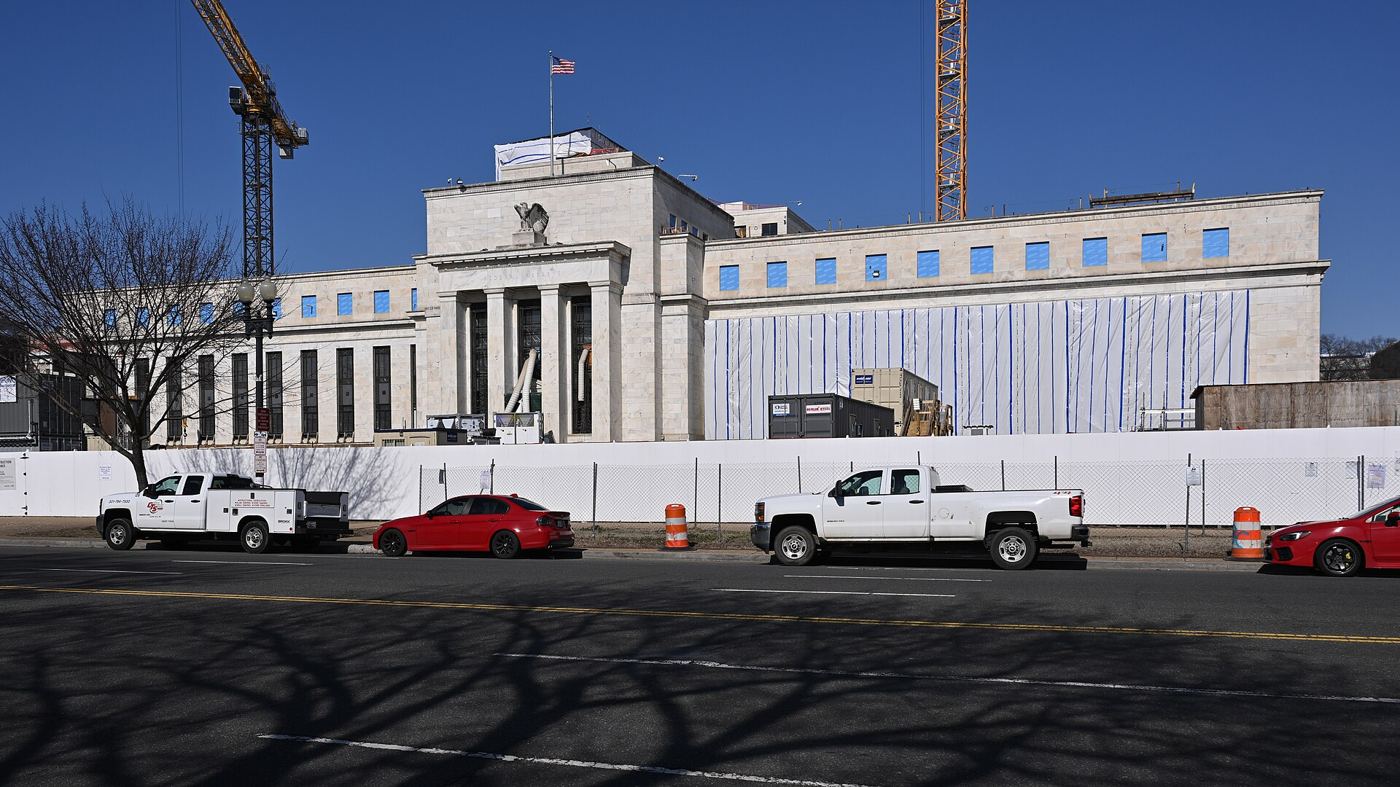
Minutes from the Federal Reserve’s last meeting are due on Wednesday, November 18, and traders will read them closely for clues about the December rate decision. The Fed held its rate at 3.75 to 4 percent on October 28, by a 10-to-2 vote, with two members wanting a rise, and Governor Waller has since backed a 25-basis-point December hike. Markets now put the odds of a December increase at around 92 percent, but the minutes may reveal how united the committee really is. Any sign of disagreement could shift expectations sharply. The minutes are published three weeks after each meeting, and this release covers the October 28 decision, when two members voted for a rise and the rest chose to hold rates steady.
What the Evidence Shows
Meeting minutes are closely watched because they show the debate behind the decision, including which risks worried officials most and what data would change their minds. This time, the focus will be on how members view the recent jobs and inflation figures, both of which came in stronger than expected, and on whether they see the Middle East energy shock as a lasting threat. The minutes will also be read alongside October retail sales and the latest inflation data. For borrowers and investors alike, the document offers the clearest available guide to what the world’s most powerful central bank does next. The document also records how officials assessed the risks to growth, including the housing slowdown and the impact of higher borrowing costs on small firms. Those details often move markets as much as the rate decision itself. Reporting and analysis from sources such as Reuters track the same developments, and specialists following the Federal Reserve’s meeting minutes say the direction is now consistent across independent lines of evidence.
The Wider Context
The wider context is a public conversation conducted at a speed institutions were not built for. Developments around the Federal Reserve’s meeting minutes are announced, contested and revised within a single news cycle, and the officials involved have learned to publish evidence alongside claims so that scrutiny can actually occur. Trust, the polling suggests, follows that transparency more than it follows confidence.
What Happens Next
What happens next in the story of the Federal Reserve’s meeting minutes will be decided in the places where it is being implemented, measured and argued about in public. The officials and organisations involved have committed to publishing progress data, and that commitment gives residents, businesses and journalists something firmer than promises to judge. The next milestones are dated, which means they can be checked. You can follow related developments in our coverage of news.
There is a practical lesson in all of this for readers deciding what to do today. Start with the verified facts, be wary of anyone promising certainty, and prefer reversible steps while the evidence is still developing. Circumstances differ by country, income and personal situation, so general guidance should always be weighed against your own context before you act on it in any significant or lasting way.
