

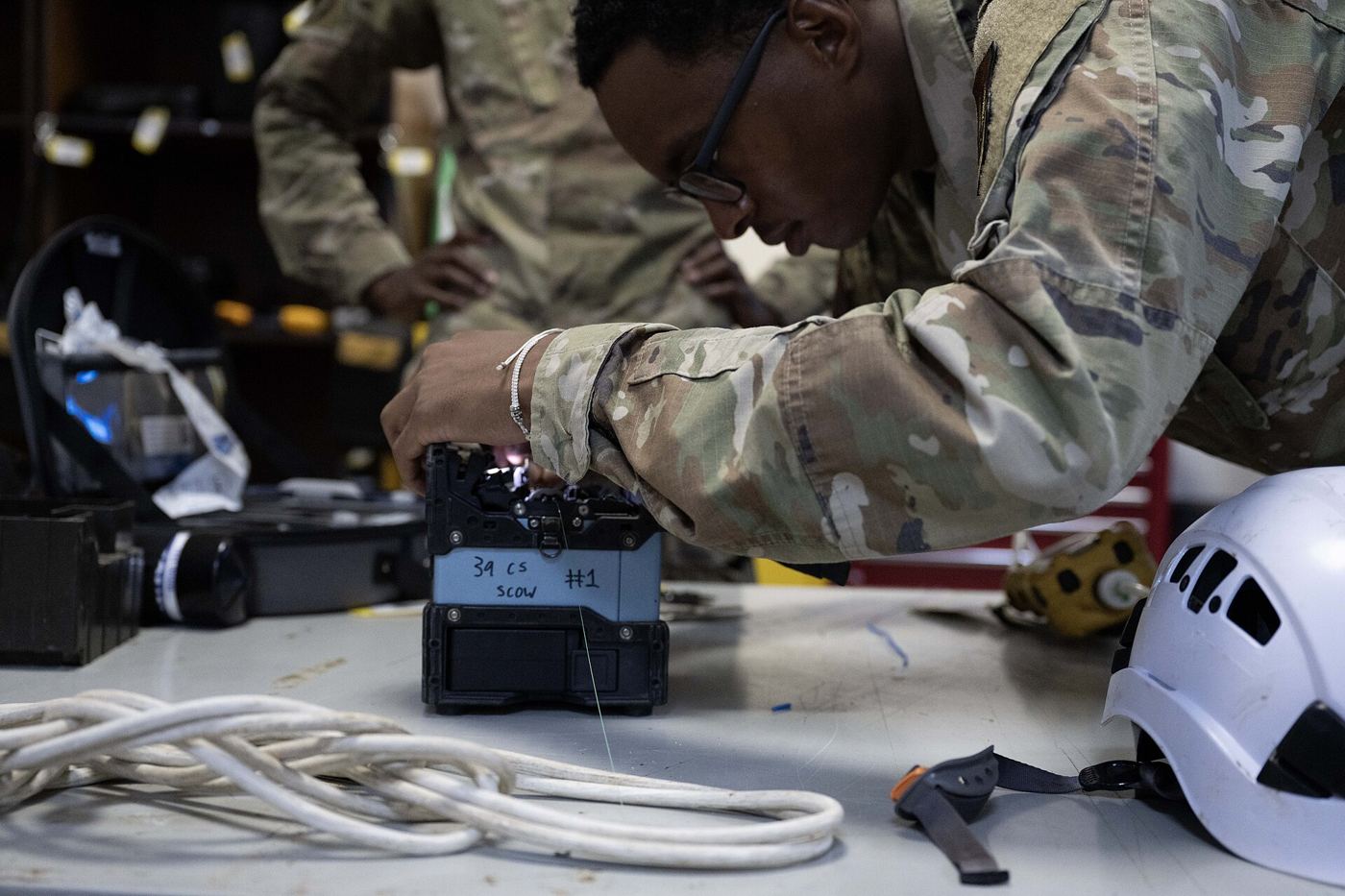
In a growing number of towns, the fibre in the ground and the internet service sold over it belong to different companies. Open access networks separate the two: one operator builds and maintains the physical fibre, and multiple retailers compete to serve customers across it, much as trains from different companies can share a railway. Supporters say the model suits fibre economics, because duplicating street-by-street networks is expensive and disruptive, while competition on price, service and support is where customers actually feel a difference. Small local providers, unable to fund their own build, can reach customers from day one, and community networks use the same wholesale route to serve areas commercial builders skipped. Making it work requires the wholesale operator to be genuinely neutral, offering every retailer the same prices and repair standards, and publishing performance data that keeps it honest. Regulators watching these markets focus on that neutrality, and on ensuring the network owner still earns enough to maintain and upgrade the infrastructure for decades. Early open networks report high take-up, which helps the economics, because households choosing between several real offers are more likely to connect than those facing a single take-it-or-leave-it provider in an area where the build cost per home only pays back with strong adoption.
What the Evidence Shows
The model is not a universal answer. Where two or three physical networks already compete, adding open access rules may add complexity without benefit, and in the sparsest rural areas no model works without public subsidy. Wholesale networks also concentrate risk: an outage or a failing operator affects every retailer at once, so resilience and financial oversight matter. Even so, the separation idea is spreading because it aligns incentives more cleanly than the traditional bundle. The builder profits from a busy, reliable network rather than from locking in customers, and retailers profit from looking after people rather than from owning glass in the ground. For customers, the visible change is modest but welcome: a choice of providers at the door, installation handled once and the freedom to switch service without another trench across the street. As fibre becomes the default utility connection, questions about who owns it and on what terms others may use it move from industry conferences into consumer policy. Open access is one tested answer, and its results in early towns, on prices, take-up and satisfaction, are being studied carefully by every region still deciding how to build its digital foundations. Reporting and analysis from sources such as IEEE Spectrum track the same developments, and specialists following open access fibre networks say the direction is now consistent across independent lines of evidence.
The Wider Context
Adoption of open access fibre networks follows a familiar pattern with an unfamiliar speed. Early users tolerate rough edges in exchange for advantage, mainstream users arrive when the tool disappears into existing workflows, and the market consolidates around whoever made that transition feel effortless. Vendors are racing less on raw performance now than on integration, support and trust.
What Happens Next
The realistic forecast for open access fibre networks is steady integration rather than sudden replacement: embedded in products people already use, improving in increments, and regulated in proportion to its reach. The companies and institutions that plan on that basis, training staff and redesigning processes instead of chasing launches, are the ones the adoption data tends to vindicate. You can follow related developments in our coverage of technology.
It is also worth remembering how quickly the picture in this area has changed before. Positions that looked settled a few years ago have been revised as new data arrived, and the same humility is appropriate now. The strongest coverage of this subject, and the most useful advice, tends to come from sources that update their views openly when the facts move, rather than defending an earlier position long after it has stopped fitting the evidence available.
