

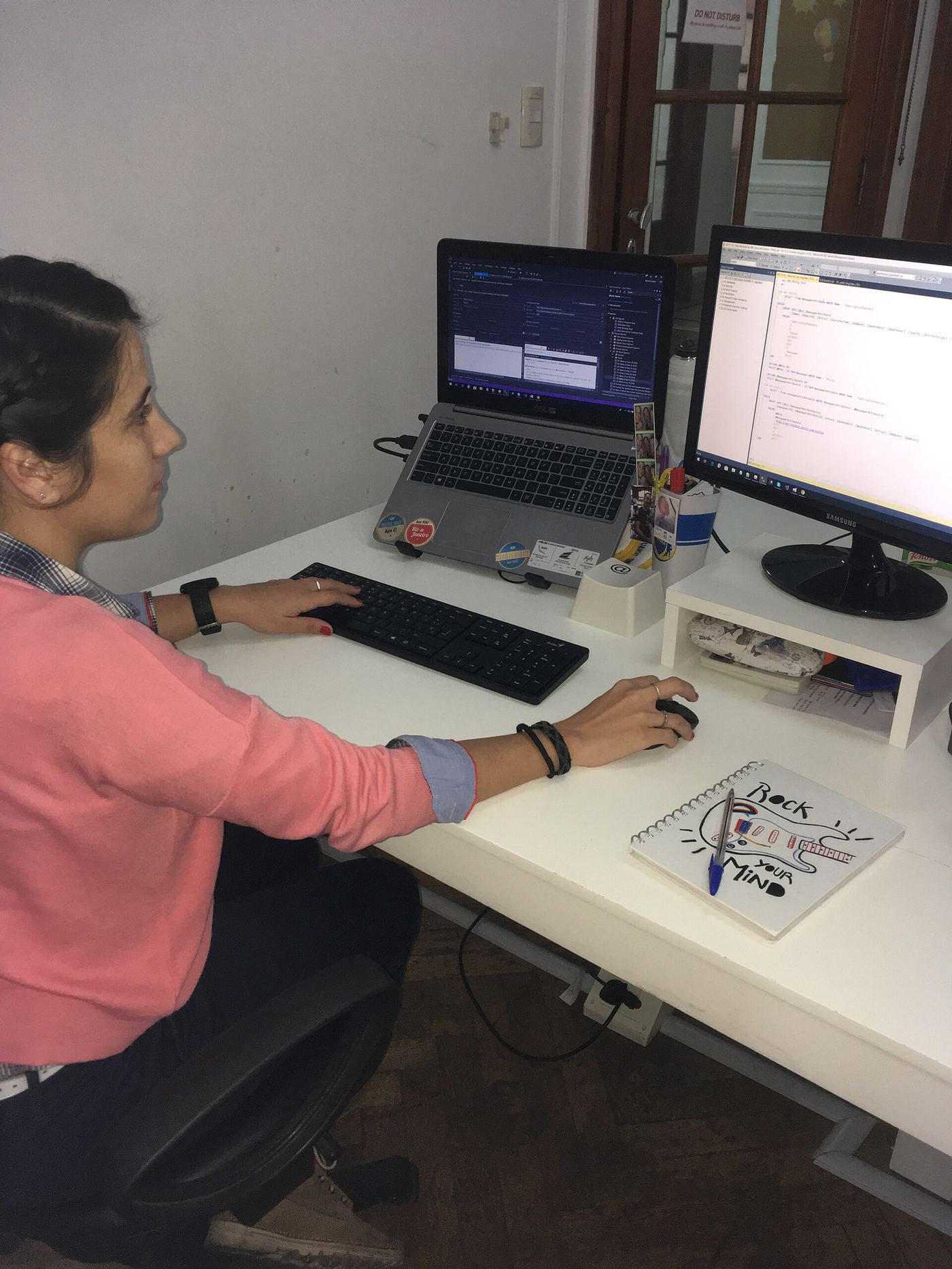
Modern science runs on software, from telescopes sorting signals from space to laboratories tracking samples and environmental sensors streaming measurements. Yet the engineers and research software specialists who build these tools have historically been less visible than the scientists who use them. In research institutes and university offices, these specialists adapt code so results can be reproduced, checked and shared, which is fundamental to how science verifies itself. A simulation or analysis that only runs on one person laptop, with undocumented steps, cannot be properly scrutinised. Improving the status and training of research software engineers is therefore becoming part of the wider movement toward more open and reliable science. Journals are beginning to check code availability as part of peer review, another sign that software is now treated as a genuine research output.
What the Evidence Shows
Reproducible research requires careful habits that look much like good commercial engineering, including version control, automated tests and clear documentation of how data was processed. Funding bodies increasingly ask projects to publish their code alongside their papers, allowing other teams to rerun analyses and test alternative assumptions. Specialists also help scientists choose sustainable tools, so a valuable dataset does not become unreadable when a student leaves or a program falls out of use. Careers in this field are gradually becoming better defined, with dedicated roles and communities sharing practice across disciplines. The result, supporters argue, is science that can be trusted more readily because its digital foundations are sound. The specialists themselves form an international community, sharing training materials and advocating for the unglamorous maintenance work that keeps vital scientific tools alive. Reporting and analysis from sources such as NASA track the same developments, and specialists following research software engineering in modern science say the direction is now consistent across independent lines of evidence.
The Wider Context
Funding bodies are watching research software engineering in modern science closely because the work sits at the junction of basic curiosity and practical return. Grant panels increasingly ask for a path from discovery to application, while researchers push back that the most valuable uses of fundamental science are rarely the ones written into the original proposal. The tension is productive when both sides stay honest about timescales.
What Happens Next
The long view on research software engineering in modern science is that fields advance by accumulation rather than by single announcements. This result adds a solid, checkable piece to a structure many teams are building, and its authors have shared their data so the piece can be tested from every side. That is how the picture eventually becomes reliable enough to act on. You can follow related developments in our coverage of science.
It is also worth remembering how quickly the picture in this area has changed before. Positions that looked settled a few years ago have been revised as new data arrived, and the same humility is appropriate now. The strongest coverage of this subject, and the most useful advice, tends to come from sources that update their views openly when the facts move, rather than defending an earlier position long after it has stopped fitting the evidence available.
